
Europe's Largest Comedy Festival Dies at 30 — Killed by Austerity and Empty Promises
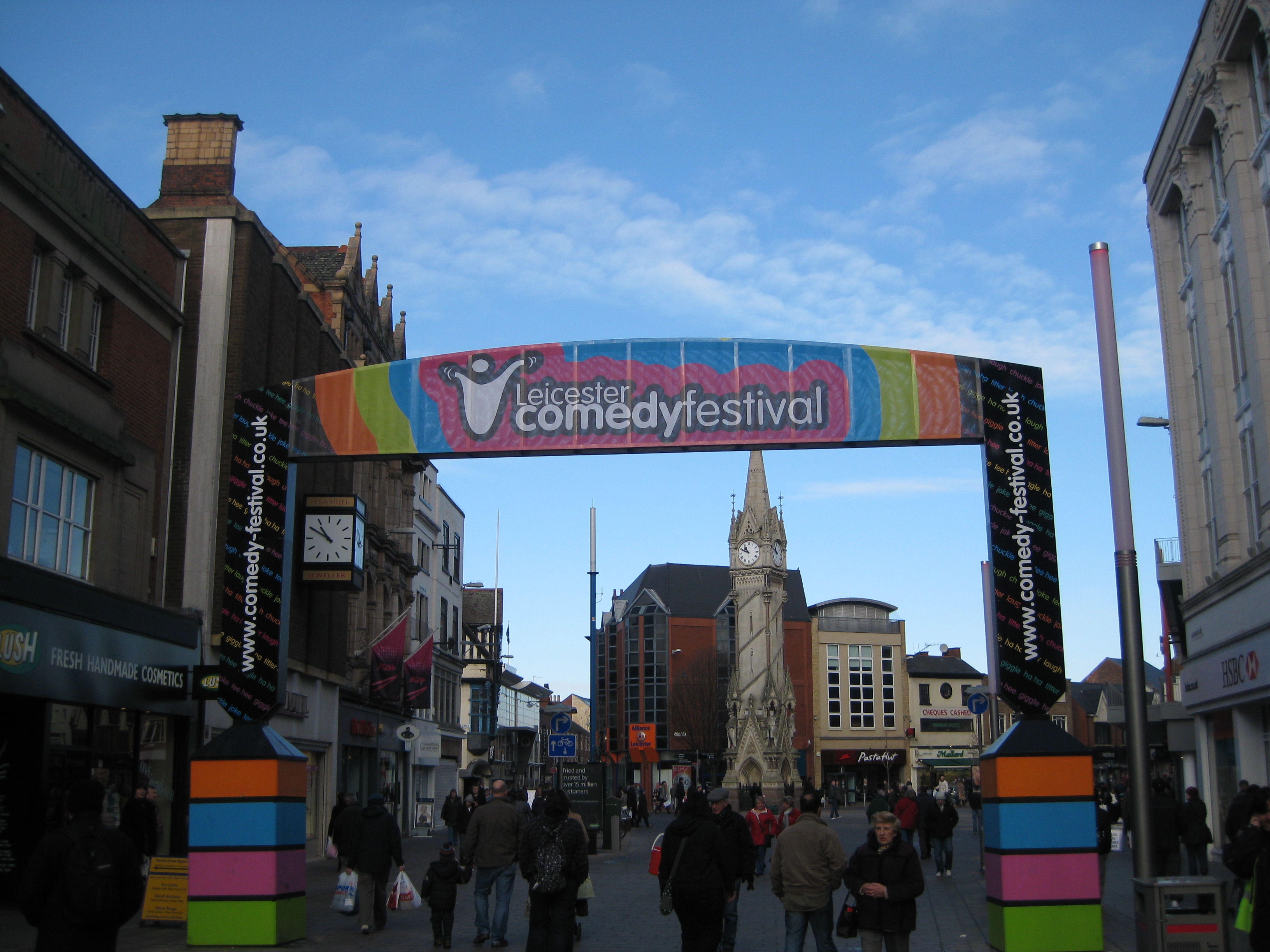
The Leicester Comedy Festival is over. Not on hiatus, not restructuring, not pivoting to a hybrid digital model — over. The Big Difference Company, the charitable organisation that built the festival from a scrappy 1994 upstart into the largest comedy festival in Europe, issued a formal statement this week confirming it had become insolvent and ceased trading. Staff found out they no longer had jobs. Thirty years of institutional knowledge, artist relationships, and community infrastructure evaporated with it.
The directors named the causes plainly in their statement: increasing costs, a difficult funding environment, and significant pressures within the live comedy sector. That is a diplomatic sentence. Translated, it means: the money stopped coming in fast enough to cover what everything now costs, and nobody with the power to help filled the gap in time.
The festival had already been sending up distress flares. Weeks before the insolvency announcement, the company filed a serious incident report with the Charity Commission — a formal mechanism charities use to flag existential financial risk to their regulator. That is not a routine administrative move. That is an organisation telling its oversight body: we may not survive. The Commission received the report. The festival collapsed anyway.
What made Leicester special was scale and access. At its peak the festival ran across more than 100 venues throughout the city, hosting hundreds of acts across a fortnight — established names alongside the kind of early-career comedians who cannot yet fill a 2,000-seat theatre but who need a platform to become the people who can. That pipeline function is not glamorous and it does not generate the kind of box-office data that makes a compelling grant application. It is, nonetheless, how a comedy ecosystem reproduces itself. Without it, the ecosystem gets older and more expensive and less surprising.
The live comedy sector has been squeezed from multiple directions simultaneously. Venue costs have risen sharply. The post-pandemic recovery in audience attendance has been uneven — people came back to arenas and stadium tours, but the mid-tier and grassroots end of the market never fully recovered its pre-2020 rhythm. Meanwhile, arts funding in England has contracted or been redistributed in ways that have consistently disadvantaged regional organisations outside London. Leicester is a majority-minority city, one of the most culturally diverse in the country, and it built something genuinely significant. That it could not find enough public or private support to stay solvent is not a story about poor management. It is a story about where the money goes and who gets to decide.
Leicester City Council is named among the festival's stakeholders, and the relationship between local authority arts funding and the organisations that depend on it has become increasingly fraught across England as councils face their own budget crises. Whether the Council provided what support it could, or whether more was possible, is a question that deserves a direct answer — and one the city's residents are entitled to ask loudly.
For the staff, the closure is not abstract. They are out of work, and in many cases the kind of specialised, festival-operations experience they hold does not translate cleanly into the broader jobs market. The comedy community online reacted with the particular grief reserved for institutions that felt permanent — the kind that accumulates three decades of inside jokes and shared history and then disappears on a Tuesday.
The Charity Commission incident report system exists precisely to create a paper trail when organisations are in distress. It will now form part of whatever post-mortem follows. The harder question is whether the system caught the signal and shrugged, or whether it genuinely lacked the tools to intervene. Either answer is uncomfortable. A festival that survived recessions, a pandemic, and thirty years of the British weather does not fold because comedy stopped being funny. It folds because the infrastructure that sustains culture is being quietly withdrawn, one difficult funding environment at a time.
Who is covering this (8+ outlets)
- AOL.comEurope's biggest comedy festival held in UK cancelled as firm goes into liquidation - AOL
- MirrorUK comedy festival cancelled after 30 years as organiser goes into liquidation
- BBCNeed To Know Leicestershire - Firm behind Leicester Comedy Festival folds - BBC Sounds
- Insider Media LtdLeicester Comedy Festival's parent company ceases to trade
- Leicester MercuryStaff heartbroken and jobless after Comedy Festival's collapse
- VANNY RADIOLeicester Comedy Festival under threat as operator ceases trading - VANNY RADIO
- ChortleLeicester Comedy Festival firm goes bust : News 2026 : Chortle : The UK Comedy Guide
- Yahoo! FinanceLeicester Comedy Festival operator ceases trading
See what people are saying about this story on X.