
Ryan Gosling's Ghost Rider Has a Release Window — and Marvel Is Moving Fast
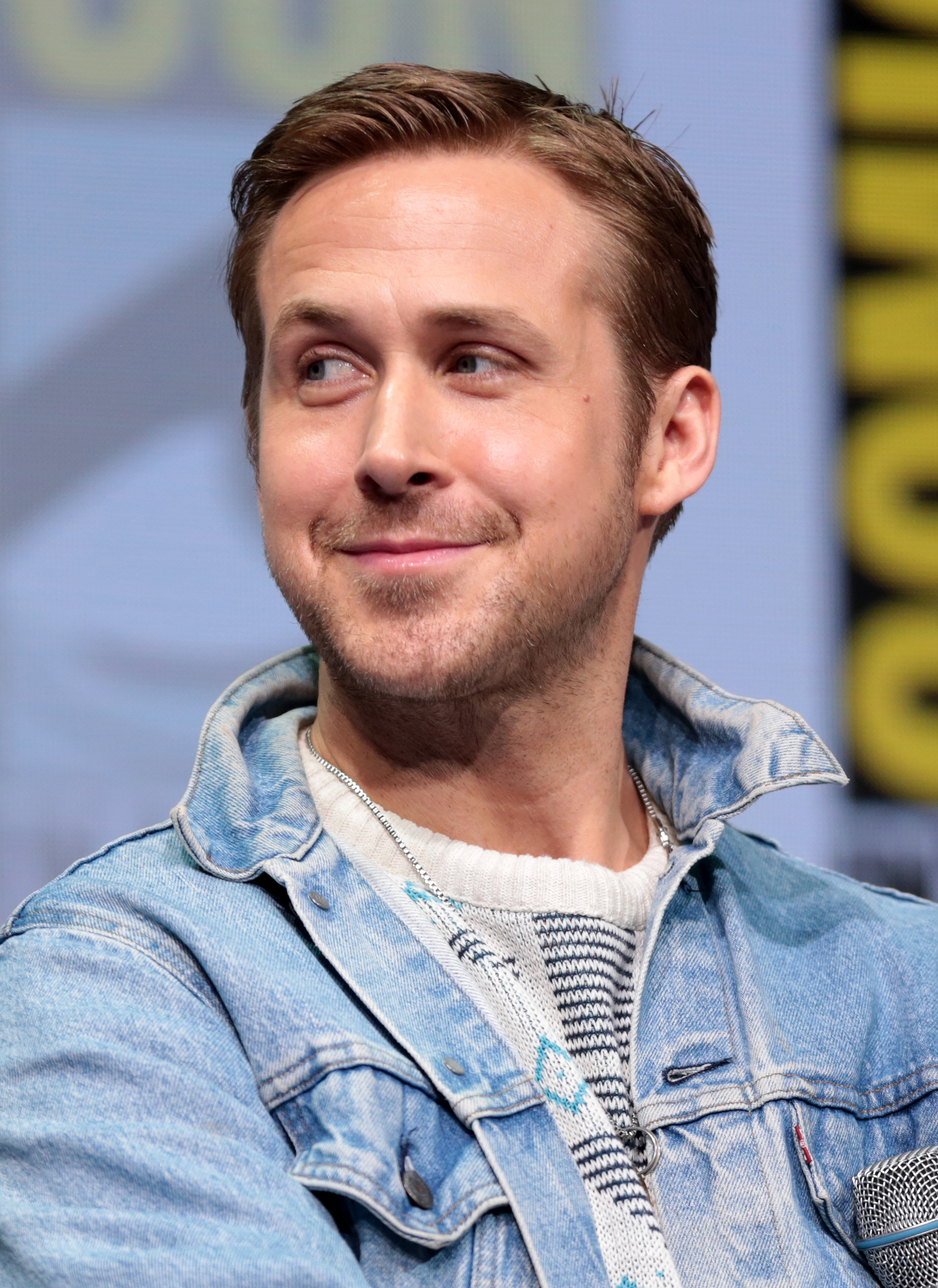
Marvel Studios did not come to Hall H this year to play it safe. Among a slate that centered on the long-awaited Avengers: Doomsday, the studio dropped what may be its single most crowd-pleasing casting announcement in years: Ryan Gosling will play Johnny Blaze, the demonic stunt-rider antihero Ghost Rider, in a new standalone MCU film. The room reportedly erupted. It was the kind of moment Marvel has been struggling to manufacture since the Infinity Saga closed — and for once, it landed.
What makes the announcement more than a hype moment is the timeline attached to it. According to insider reporting drawn from sources with direct knowledge of Marvel's production calendar, the Ghost Rider film is targeting a debut that places it well within the current phase of the studio's rollout — sooner than the casual observer might expect given how recently the character was confirmed. The implication is clear: pre-production is not merely underway, it is meaningfully advanced.
Shawn Levy has been confirmed to direct. That pairing alone is a signal. Levy, whose relationship with Gosling deepened publicly through their collaboration on other projects, brings a sensibility that leans into sincere genre entertainment rather than winking self-awareness — a recalibration Marvel appears to be making deliberately after years of criticism that its films had become too quip-heavy and emotionally weightless. Ghost Rider, a character whose entire mythology is rooted in damnation, debt, and vengeance, demands exactly that tonal correction.
On the casting front, the film is already generating serious noise around its supporting roles. Bond actress Rosamund Pike — known for projecting icy intelligence and moral complexity in equal measure — is being actively eyed for a key love-interest role opposite Gosling, according to multiple industry sources. The nature of that character has not been officially confirmed, but the framing of the role as substantial rather than decorative suggests Marvel is building toward something with genuine dramatic weight rather than a standard romantic subplot.
The villain picture is coming into sharper focus as well. Mephisto — Marvel's devil-analogue, a character fans have been predicting would surface in the MCU for years through a series of head-fakes and near-misses — is reportedly being positioned as the central antagonist. This is not a small narrative choice. Mephisto is the foundational figure in Ghost Rider's origin; the deal with the devil that transforms Johnny Blaze is literally a deal with Mephisto in the comics. If the studio is finally committing to the character rather than teasing and retreating, it represents a meaningful escalation in the MCU's willingness to engage with darker, more theologically loaded material.
There is also a larger connective-tissue angle at play. Reports suggest the Ghost Rider film is being structured with an eye toward Marvel's post-Multiverse Saga framework, potentially including a connection to the Secret Wars storyline that is quietly organizing the studio's long-range plans. That would place Ghost Rider not as a standalone outlier but as a load-bearing piece of the next era's architecture — a significant elevation for a character who spent most of his live-action life in franchise purgatory.
That history is worth confronting plainly. The two previous Ghost Rider theatrical films — the 2007 original and its 2012 sequel, both starring Nicolas Cage — are widely regarded as franchise failures. The first made money despite its problems; the second did not. What they got right, intermittently, was leaning into the grotesque surrealism of the Rider's imagery: the skull, the chain, the hellfire. What they got catastrophically wrong was the surrounding film — weak scripts, tonal incoherence, and a villain problem that plagued both entries. Cage's unhinged commitment to the role has since become its own cult-nostalgia category, but that affection is for the performance, not the movies.
Gosling is a different instrument entirely. He has demonstrated repeatedly — in Drive, in The Nice Guys, even in his comedic work — that he can carry genre material without ironic distance, anchoring heightened scenarios in genuine emotional stakes. The question Marvel and Levy will have to answer is whether they build a film worthy of that instrument, or whether Ghost Rider becomes another technically competent MCU entry that squanders its own premise. The source material, handled seriously, is among the darkest and most cinematically rich in the Marvel catalog. The bones are there. The talent is there. The timeline is aggressive. Whether the execution matches the ambition is the only question that actually matters.
Who is covering this (12+ outlets)
- MoviewebMarvel's Nicolas Cage Reboot Reportedly Wants to Add James Bond Star
- MandatoryGhost Rider MCU Movie Reportedly Eyeing Oscar Winner as Ryan Gosling's Love Interest
- SlashfilmRyan Gosling's Ghost Rider Movie To Feature Key Marvel Villain, Eyes Bond Girl As Love Interest
- ComicbookGhost Rider Circling Bond Girl for Key Role in the Ryan Gosling-Led MCU Movie
- EgyptTodayRyan Gosling Officially Joins the MCU as Ghost Rider
- YahooThis Awkward Ryan Gosling Interview Is Going Viral Again After His Ghost Rider Casting
- CINEMABLENDThis Awkward Ryan Gosling Interview Is Going Viral Again After His Ghost Rider Casting
- Comic Book MovieMCU Rumor Roundup: X-Men Casting, Ryan Gosling's Ghost Rider, Mephisto, Wonder Man & Big Marvel TV Changes
- JoBlo's Movie EmporiumRyan Gosling's Ghost Rider Can Learn From What the Previous Movies Got Right (and Wrong)
- Cosmic Book NewsRosamund Pike Eyed For Ryan Gosling Ghost Rider: Mephisto Returns And A Secret Wars Debut - Cosmic Book News
- Yahoo!NEWS OF THE WEEK: Ryan Gosling unveiled as Marvel's Ghost Rider
- Digital News ReportRyan Gosling to Star in New Ghost Rider Movie for Marvel
See what people are saying about this story on X.